October 12, 2026
Why Prompt Water Damage Mold Remediation Matters for Your Home
By @thewaterdamagemoldmarket
The Hidden Problem After Water Damage
When water gets into a building where it should not be, the clock starts ticking. Whether it is a burst pipe, a leaking roof, or a flooded basement, the moisture that soaks into drywall, carpeting, and framing creates a perfect environment for mold to take hold. Many homeowners focus on drying out the visible water, but what happens behind the walls and under the flooring often goes unnoticed until the smell or health effects become impossible to ignore. That is where professional water damage mold remediation becomes essential.
I have seen this scenario play out too many times. A family deals with a plumbing leak, mops up the puddle, runs a dehumidifier for a few days, and thinks the problem is solved. Months later, someone starts coughing more than usual, or a musty odor seeps into the living room. By then, mold has already colonized hidden cavities. The cost and complexity of fixing it have multiplied. Acting quickly and correctly after any water intrusion is the single most effective way to prevent a full-blown mold issue.
Understanding the Connection Between Water Damage and Mold Growth
Mold spores are everywhere. They float through the air, settle on surfaces, and wait for one thing: moisture. When water damage occurs, the relative humidity in porous materials rises above the threshold that keeps spores dormant. Within 24 to 48 hours, active growth can begin. Common species like Aspergillus and Penicillium show up early, often on damp paper or ceiling tiles. The more notorious Stachybotrys, sometimes called black mold, needs sustained moisture and takes a bit longer to appear, but its presence signals a serious problem that requires thorough remediation.
The key point is that water damage restoration and mold remediation are not separate tasks. They are two phases of the same process. Drying the structure is step one, but without antimicrobial treatment and proper removal of contaminated materials, mold will return. That is why any reputable approach to water damage mold remediation includes both structural drying and a detailed plan for dealing with the biological growth that has already started.
Why Quick Action Matters
Mold does not stay put. Once a colony establishes itself, it sends spores into the air. Those spores travel through HVAC systems and drafts, settling in new areas where they can start fresh colonies if moisture exists. This is how a small leak behind a kitchen cabinet can eventually lead to mold in the bedroom closet. The longer you wait, the more the contamination spreads.
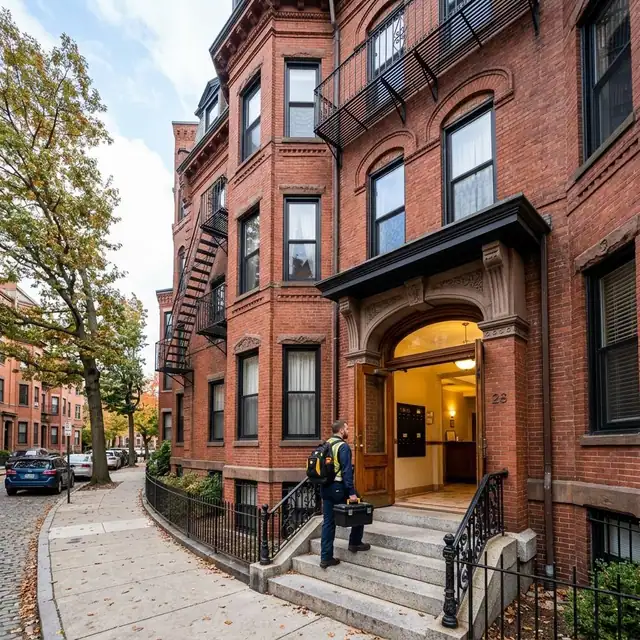
I once worked with a homeowner who had a slow leak under a bathroom sink for several weeks before noticing. By the time we arrived, the cabinet was destroyed, the subfloor was soft, and there was visible growth on the wall behind the toilet. The entire bathroom needed to be gutted. A faster response would have saved the tile, the vanity, and a lot of money. That is the trade-off: early intervention often means localized repairs, while delay forces larger demolition and replacement.
Professional Remediation vs. DIY Efforts
There is a common temptation to handle mold cleanup with bleach and a scrub brush. In small, non-porous areas, that might work for surface mildew. But for anything involving drywall replacement, carpet padding, or insulation, the problem runs deeper than what a household cleaner can reach. Professional mold remediation involves containment, HEPA vacuuming, and careful removal of contaminated materials. Without those steps, you risk spreading spores to clean areas of the home.
Another factor is hidden moisture. A thermal camera or moisture meter can reveal damp cavities that feel dry to the touch. Trying to treat only what you can see leaves the root cause in place. Water damage mold remediation must address the entire affected area, including framing and subflooring, to be effective in the long term.
Health Considerations You Cannot Ignore
Mold exposure affects people differently. Some individuals have no reaction, while others develop respiratory symptoms, headaches, or fatigue. For people with asthma, allergies, or compromised immune systems, the risks are higher. Prolonged exposure to certain species has been linked to a condition called CIRS (Chronic Inflammatory Response Syndrome). That is not a minor allergy; it is a systemic reaction that can persist even after the person leaves the contaminated environment.
Indoor air quality testing is one way to determine whether mold spores are present at unhealthy levels. After remediation, testing can confirm that the air is safe again. This is especially important for families with young children, elderly members, or anyone who spends a lot of time at home. Mold does not respect room boundaries, and its effects can be subtle at first.
Related Contaminants Often Found Together
In older buildings, water damage often reveals other hazards. If the property was built before the 1980s, there is a chance that lead paint removal or asbestos abatement may be needed before full remediation can proceed. Disturbing these materials during drywall removal or structural drying can release dangerous fibers into the air. A professional team will test for these contaminants before starting work, protecting everyone involved.
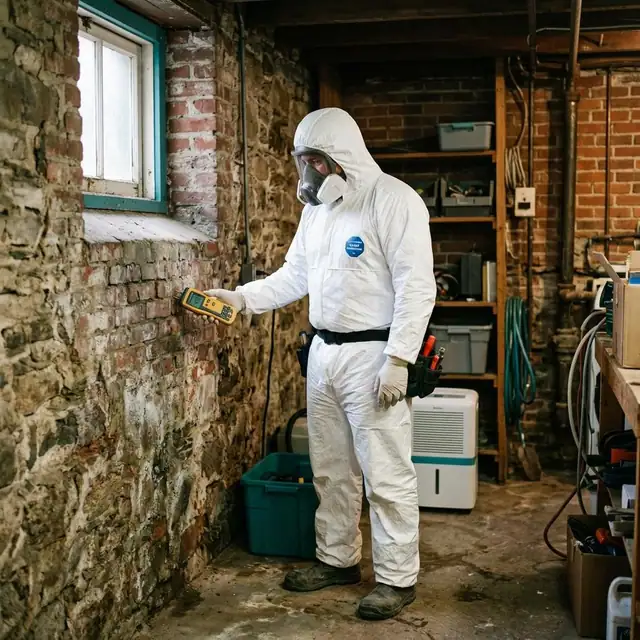
I have seen houses where a simple pipe leak turned into a multi-phase project involving mold inspection, asbestos testing, and eventual abatement. It is not common, but it happens often enough that homeowners should be aware of the possibility. A thorough home inspection after any water damage event can catch these issues early.
Working With Insurance and Contractors
Water damage is stressful enough without adding financial worry. Many homeowners insurance policies cover mold remediation if it results from a covered water event like a burst pipe or storm damage. The key is documentation. Photographs, moisture readings, and a professional mold inspection report strengthen your claim. Mold Removal Boston and similar services often help clients navigate the insurance claim process by providing detailed scopes of work and clear estimates.
When you contact a remediation company, be prepared to describe the source of the water, how long it has been present, and any visible signs of growth. A good contractor will perform a full assessment, including checking for hidden moisture and testing air quality. They should also provide a plan that includes containment, removal, antimicrobial treatment, and verification of dryness before reconstruction begins.
What a Proper Remediation Process Looks Like
A professional water damage mold remediation project typically follows a sequence. First, the source of moisture is stopped and the area is dried using industrial fans and dehumidifiers. Structural drying may take several days. Next, containment barriers are set up to prevent spores from migrating. Contaminated materials like drywall, insulation, and carpet are removed and bagged. HEPA vacuuming is used on all surfaces, including framing and ductwork. Finally, an antimicrobial treatment is applied to inhibit future growth.
After the remediation, the space must be completely dry before any rebuilding begins. Reinstalling drywall over damp studs is a recipe for repeating the problem. A final mold inspection and indoor air quality testing confirm that the environment is healthy again. Only then should you consider painting or finishing the area.
Long-Term Prevention
Once you have dealt with water damage mold remediation, you want to avoid a repeat. That means fixing the underlying issue, whether it is a plumbing defect, poor drainage, or inadequate ventilation. Dehumidifiers in basements, proper bathroom exhaust fans, and regular roof maintenance all reduce the risk. If you live in an area with high humidity, a whole-house dehumidifier can make a significant difference.
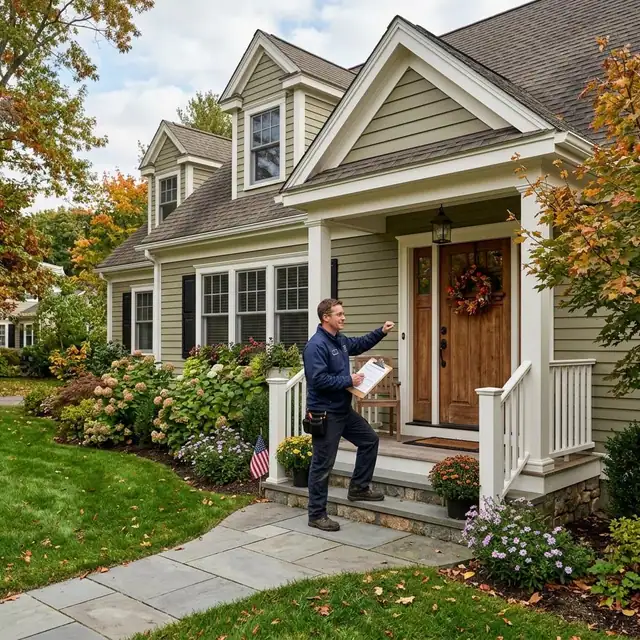
It also helps to know the early warning signs. Peeling paint, soft drywall, and a musty odor are clues that moisture is present. Addressing them promptly prevents the need for another round of remediation down the road. Mold is persistent, but it is also predictable. Control moisture, and you control mold.
Final Thoughts
Water damage does not have to lead to a mold problem, but it often does when handled casually. The difference between a quick, contained repair and a months-long remediation project is usually a matter of days. If water enters your home, act immediately. Dry the area thoroughly, inspect for hidden moisture, and call a professional if there is any sign of growth. The investment in proper water damage mold remediation pays for itself in preserved property value, avoided health issues, and peace of mind.
❧